Temperature Instruments
Environmental Measurement Temperature Instruments for Industrial Compliance
Environmental measurement within temperature instrumentation focuses on accurate quantification of thermal conditions in emission sources, process exhaust streams, and regulated industrial environments. Temperature data directly influences volumetric flow correction, gas density calculations, pollutant concentration normalization, and regulatory reporting accuracy.
High-precision thermal monitoring devices are essential for emission source testing, stack diagnostics, combustion optimization, and environmental compliance verification. Industrial temperature measurement systems integrate thermocouples, resistance temperature detectors, infrared sensing technologies, and calibrated transmitters to ensure traceable, repeatable thermal data acquisition under demanding field conditions.
Environmental monitoring programs rely on temperature instruments to validate stack gas conditions, confirm permit limits, and support engineering analysis. Robust sensor construction, stable signal transmission, and documented calibration procedures ensure reliable thermal data during regulatory audits and operational performance assessments.
Precision Thermal Monitoring Devices for Emission Source Testing and Stack Analysis
Environmental Measurement temperature instruments refer to calibrated devices used to quantify thermal conditions within stacks, ducts, combustion systems, and ambient monitoring environments as part of advanced emissions and stack testing and diagnostic solutions.
Primary product types include:
- Type K, J, and S thermocouples for high-temperature exhaust and flue gas measurement
- Resistance Temperature Detectors such as Pt100 and Pt1000 sensors for precision industrial applications
- Infrared thermometers for non-contact surface and refractory temperature verification
- Temperature transmitters with 4 to 20 mA or digital output for system integration
- Multi-channel temperature data loggers designed for compliance documentation
- High-temperature stack probes with protective sheathing for corrosive environments
Each device is selected based on temperature range, response time, chemical compatibility, and required measurement uncertainty. Engineers must define expected thermal gradients, moisture levels, and particulate loading before selecting appropriate sensor types.
Emissions and Stack has established itself as a trusted leader in delivering advanced emissions and stack testers and measurement solutions. Our expertise in thermal measurement instrumentation supports environmental professionals, engineering consultants, and regulated facilities across North America seeking reliable temperature data for compliance and operational control.
Emissions and Stack Thermal Environmental Monitoring Capabilities for Regulated Industries
Temperature measurement systems used in emission testing environments must withstand thermal shock, vibration, corrosive gases, and extended exposure to elevated temperatures. Instrument performance directly impacts emission rate calculations and regulatory defensibility.
Core Functional Capabilities
- High-temperature measurement ranges exceeding 1000°C depending on sensor selection
- Rapid thermal response for dynamic combustion monitoring
- Cold junction compensation for thermocouple accuracy stabilization
- Signal conditioning to reduce electrical noise in industrial settings
- Multi-point temperature profiling for stack stratification assessment
- Integrated data logging with timestamp synchronization for regulatory traceability
- Calibration adjustment features to maintain measurement integrity
Configuration and Integration Options
- Portable handheld thermal measurement units for field audits
- Fixed-mount transmitters for continuous stack temperature monitoring
- Explosion-rated enclosures for hazardous process environments
- Custom probe lengths based on stack diameter and access port configuration
- Wireless temperature transmitters for remote environmental monitoring
- Integration capability with flow meters and gas analyzers for complete environmental diagnostics
- SCADA and PLC compatibility through analog and digital communication protocols
Thermal monitoring solutions are often deployed alongside velocity and gas concentration instruments to generate normalized emission calculations. Stack gas temperature plays a critical role in determining volumetric correction factors under EPA reference methods.
Research, continuous product development, and a strict quality assurance process guide our instrumentation strategy. Through expert guidance and documented engineering validation, we help businesses streamline thermal measurement processes and maximize confidence in emission reporting accuracy.
Environmental temperature monitoring supports compliance, safety, and process optimization across regulated industries. Real-world deployment scenarios demonstrate the importance of stable, traceable thermal measurement.
- Stack gas temperature monitoring during EPA reference method emission testing campaigns
- Combustion chamber temperature verification in industrial boiler efficiency assessments
- Thermal profiling within refinery flare stacks to support emission rate calculations
- Temperature validation for cement kiln exhaust during regulatory compliance audits
- Incinerator flue gas thermal measurement for hazardous waste disposal reporting
- HVAC discharge air temperature monitoring in pharmaceutical manufacturing facilities
- Thermal gradient analysis in power generation turbine exhaust systems
- Process heater temperature monitoring during permit renewal inspections
- Ambient temperature compensation for volumetric flow rate correction in stack testing
- Refractory surface temperature verification using infrared thermometry
- Continuous temperature monitoring within chemical process vent stacks
- Environmental laboratory thermal stability monitoring during sample conditioning
- Exhaust duct temperature validation for metal fabrication and coating operations
- Thermal monitoring in carbon capture pilot installations during performance evaluation
- Temperature documentation during annual environmental compliance reporting cycles
Many of these applications directly influence emission factor calculations, pollutant mass determination, and regulatory filings. Accurate thermal measurement reduces uncertainty in compliance reporting.
Environmental temperature measurement systems frequently align with the following frameworks:
- U.S. EPA Method 2
- U.S. EPA Method 2C
- U.S. EPA 40 CFR Part 60
- U.S. EPA 40 CFR Part 75
- U.S. EPA 40 CFR Part 98
- ASTM E230 Thermocouple Standards
- ASTM E1137 Industrial Platinum Resistance Thermometers
- ANSI MC96.1 Thermocouple Specifications
- ISO 17025 Calibration Laboratory Requirements
- CSA C22.2 Electrical Safety Standards
- Environment and Climate Change Canada reporting frameworks
- National Pollutant Release Inventory temperature data reporting criteria
Instrument selection must consider regulatory uncertainty thresholds and facility-specific permit conditions.
Measurement Reliability Engineered for Emission Compliance and Thermal Accuracy
Environmental temperature instruments must provide defensible data under harsh industrial conditions. Emissions and Stack designs and selects thermal measurement solutions based on documented field performance and compliance-driven requirements.
Precision and Stability
- High-grade sensor materials selected for long-term thermal stability
- Low signal drift under continuous high-temperature exposure
- Documented calibration traceability to recognized standards
Durability in Industrial Environments
- Corrosion-resistant probe sheathing for acidic and moisture-laden exhaust streams
- Mechanical reinforcement to resist vibration in stack installations
- Insulated wiring assemblies for elevated temperature operation
Data Integrity and System Integration
- Multi-channel synchronization for correlated environmental diagnostics
- Secure data logging formats suitable for regulatory audits
- Compatibility with emission analyzers, velocity probes, and data acquisition systems
Engineering Expertise and Support
Real-world experience shows that stack temperature readings may vary significantly across measurement points due to flow turbulence and stratification. Multi-point temperature profiling is often required to reduce measurement bias. Sensor insertion depth and probe orientation influence accuracy, especially in large-diameter stacks. Assumptions regarding gas composition and moisture content must be clearly defined when calculating corrected emission values.
Emissions and Stack leads in technology innovation and product reliability across North America. Our customer-focused support model assists environmental engineers, procurement managers, and system integrators in selecting appropriate thermal measurement solutions aligned with facility requirements. Ongoing research and product development initiatives ensure our instrumentation continues to meet evolving regulatory expectations.
Engineering teams evaluating thermal monitoring instruments for emission compliance, combustion diagnostics, or stack testing require detailed technical consultation and configuration guidance. Emissions and Stack provides specification assistance, calibration documentation, and integration support tailored to regulated industrial environments.
For detailed product information, integration guidance, or support inquiries, reach out through our Contact Us page to start a conversation with our technical team.
Showing 1–12 of 626 results
-
Temperature Instruments
Advanced Handheld Thermal Imaging Camera with Infrared Inspection- Emissions and Stack
Read more -
Temperature Instruments
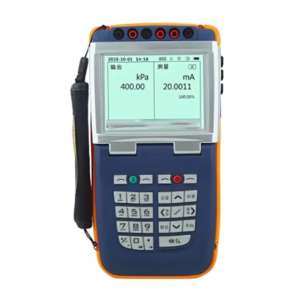
Advanced Multifunction Temperature and Signal Calibrator – Emissions and Stack
Read more