Material & Structural Testing
Functional Scope Supporting Advanced Emissions Testing and Mechanical Reliability
Material & Structural Testing platforms from Emissions and Stack are designed to complement emissions and stack analysis programs by validating the physical integrity of infrastructure that supports environmental compliance.
Core functional capabilities include:
- Non-destructive thickness measurement for pipes, stacks, and pressure vessels
- Coating depth analysis to evaluate corrosion protection systems
- Surface roughness and gloss measurement for quality verification
- Hardness testing to assess material strength and wear resistance
- Flaw detection using ultrasonic or electromagnetic methods
- Crack monitoring and vibration measurement for predictive maintenance
- Thermal imaging for insulation performance and hotspot detection
- Differential pressure measurement in ducts and process systems
- Flow verification through ultrasonic and mass-based measurement principles
- Digital data capture with traceable calibration documentation
These capabilities support advanced stack testing and emissions measurement initiatives by ensuring structural reliability and measurement stability.
Cross-Functional Criteria for Structural and Environmental Hardware
Material & Structural Testing instruments are often deployed alongside air quality monitoring systems. Procurement teams should consider technical alignment across mechanical and environmental measurement programs.
Important specifications include:
- Measurement range and resolution for thickness, hardness, or pressure
- Accuracy and repeatability under field conditions
- Sensor type such as ultrasonic transducer or magnetic probe
- Operating temperature tolerance and environmental sealing
- Compliance with nondestructive testing standards
- Data storage capacity and export compatibility
- Battery life for portable field instruments
- Mechanical durability in corrosive or high-vibration environments
- Calibration traceability and certification documentation
Assumptions regarding material composition, surface condition, and access constraints should be verified during instrument selection to prevent inaccurate readings.
Corrosion Monitoring and Protective Layer Verification
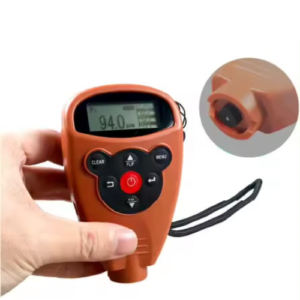
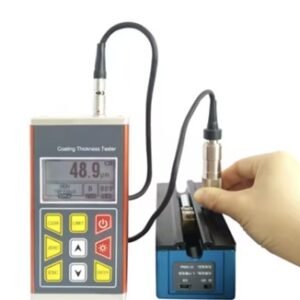
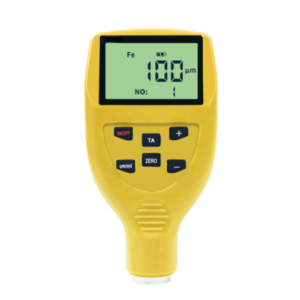
Thickness gauges measure wall thickness of metallic structures using ultrasonic pulse-echo methods, enabling nondestructive evaluation without material removal. Coating gauges assess protective layer thickness through magnetic or eddy current techniques.
Corrosion under insulation, stack wall degradation, and coating deterioration can compromise emissions control system reliability. Accurate thickness data supports maintenance planning and regulatory inspection documentation.
Field technicians must consider surface preparation, material type, and calibration blocks when deploying these instruments. Emissions and Stack assists customers in selecting gauges compatible with steel, aluminum, and composite materials common in emissions infrastructure.
Explore Thickness & Coating Gauges
Surface Roughness & Gloss Meters by Emissions and Stack
Surface Characterization for Performance and Quality Assurance
Surface roughness meters quantify micro-scale surface texture parameters such as Ra and Rz, while gloss meters measure reflective properties of coatings and finishes. These measurements are important in manufacturing, protective coating validation, and process optimization.
Surface condition can influence airflow dynamics in ducts and stacks, potentially affecting sampling representativeness. Consistent surface finish also supports coating adhesion and corrosion resistance.
Instruments typically use contact stylus or optical methods depending on required resolution. Emissions and Stack provides guidance on selecting surface analysis tools that align with industrial durability and compliance requirements.
Explore Surface Roughness & Gloss Meters
Hardness & Flaw Detectors from Emissions and Stack
Mechanical Strength and Internal Defect Identification
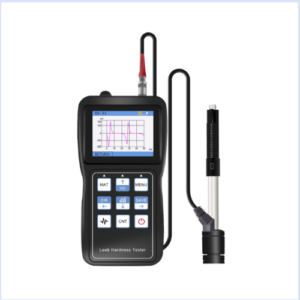
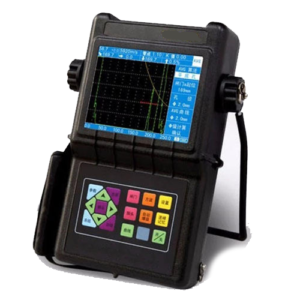
Hardness testers evaluate material resistance to deformation using methods such as Rockwell, Brinell, or portable rebound techniques. Flaw detectors employ ultrasonic waves or electromagnetic principles to identify internal cracks, voids, or inclusions.
Mechanical property verification is critical in pressure vessels, structural supports, and duct assemblies supporting emissions measurement systems. Undetected flaws may lead to structural failure or compromised sampling integrity.
Instrument configuration should account for material thickness, geometry, and access limitations. Emissions and Stack supports industrial clients with nondestructive evaluation tools that align with inspection schedules and safety standards.
Explore Hardness & Flaw Detectors
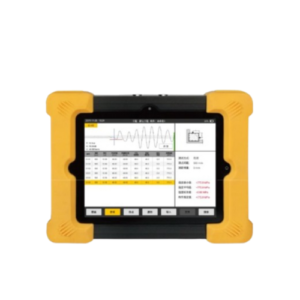
Crack & Vibration Meters from Emissions and Stack
Structural Health Monitoring and Predictive Maintenance
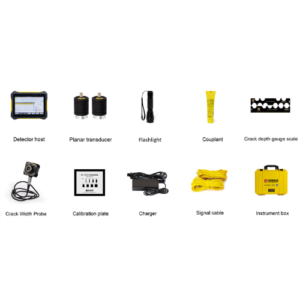
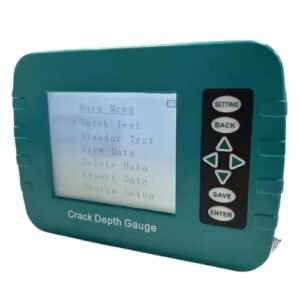
Crack meters measure displacement across structural joints, while vibration meters quantify oscillation amplitude and frequency in rotating machinery and structural components.
Excessive vibration in fans, blowers, or duct assemblies can distort flow profiles and influence emissions sampling accuracy. Crack progression monitoring enables early detection of structural fatigue in stacks and support frameworks.
Portable vibration analyzers often include FFT analysis for frequency identification. Instrument selection should consider mounting method, frequency range, and environmental resistance. Emissions and Stack emphasizes integration of structural monitoring data into broader maintenance and compliance strategies.
Explore Crack & Vibration Meters
Thermal Imaging Tools by Emissions and Stack
Infrared Diagnostics for Insulation and Process Verification
Thermal imaging cameras detect infrared radiation to visualize temperature distribution across surfaces. These tools identify insulation failures, refractory degradation, and abnormal heat patterns in ducts, boilers, and stacks.
Temperature anomalies can indicate leakage, combustion imbalance, or structural weakness affecting emissions performance. Infrared inspection allows rapid non-contact assessment during operation.
Resolution, thermal sensitivity, and calibration stability are key specifications for industrial deployment. Emissions and Stack supports selection of thermal diagnostics that complement emissions measurement programs.
Ultrasonic & Mass Flow Meters from Emissions and Stack
Flow Verification and Process Integrity Assessment
Ultrasonic flow meters measure fluid velocity using transit-time or Doppler principles, while mass flow meters determine flow based on thermal or Coriolis effects. These instruments support verification of process streams and ventilation performance.
Accurate flow measurement is essential when correlating structural performance with emissions output. Variations in duct flow or process feed rates may alter pollutant capture efficiency.
Instrument selection depends on fluid type, pipe diameter, and required accuracy. Emissions and Stack provides guidance to ensure flow measurement solutions align with regulatory and operational demands.
Explore Ultrasonic & Mass Flow Meters
Industrial Manometers by Emissions and Stack
Differential Pressure Measurement for Duct and Stack Analysis
Manometers measure static or differential pressure within ducts, filters, and ventilation systems. Liquid column, digital, and inclined manometers are selected based on sensitivity and portability requirements.
Differential pressure data supports airflow calculation and filter performance monitoring. Accurate pressure measurement contributes to maintaining stable sampling conditions during emissions testing.
Environmental conditions such as temperature variation and vibration must be considered when specifying pressure instruments. Emissions and Stack integrates pressure measurement into comprehensive environmental compliance solutions.
Practical Use Cases Across Emissions and Infrastructure Programs
- Stack wall thickness verification supporting structural compliance documentation
- Coating inspection to prevent corrosion affecting emissions control systems
- Vibration monitoring of induced draft fans influencing airflow stability
- Thermal imaging of duct insulation to reduce heat loss and efficiency gaps
- Hardness testing of structural supports during plant expansion projects
- Ultrasonic flaw detection in pressure vessels tied to environmental controls
- Differential pressure monitoring in filtration units for regulatory validation
- Surface roughness assessment influencing aerodynamic flow profiles
- Crack monitoring of reinforced concrete stacks in aging facilities
- Flow verification in ventilation systems supporting pollutant capture efficiency
Regulatory and Technical Framework Applicable to Material & Structural Testing
- Occupational Safety and Health Administration standards
- American Society for Nondestructive Testing guidelines
- ASTM E797 ultrasonic thickness measurement standards
- ASTM E18 hardness testing standards
- NFPA industrial safety codes
- EPA 40 CFR emissions-related structural requirements
- Canadian Standards Association certification requirements
- Provincial occupational health and safety regulations
- Canadian Environmental Protection Act infrastructure provisions
High-Level Technical Comparison for Engineering Evaluation
| Instrument Type | Primary Parameter Measured | Typical Environment | Measurement Principle | Portability | Compliance Relevance |
| Thickness & Coating Gauges | Wall and coating thickness | Stacks and vessels | Ultrasonic or magnetic | Portable | High |
| Surface Roughness & Gloss Meters | Surface texture and reflectivity | Manufacturing and ducts | Stylus or optical | Portable | Quality focused |
| Hardness & Flaw Detectors | Material strength and defects | Structural components | Indentation or ultrasonic | Portable | Safety critical |
| Crack & Vibration Meters | Displacement and oscillation | Structural supports | Mechanical or accelerometer | Portable | Predictive maintenance |
| Thermal Imaging Tools | Surface temperature distribution | Operating equipment | Infrared detection | Portable | Diagnostic |
| Ultrasonic & Mass Flow Meters | Fluid or gas flow | Process lines and ducts | Acoustic or thermal mass | Portable or fixed | High |
| Industrial Manometers | Differential pressure | Ventilation systems | Liquid column or digital | Portable or fixed | High |
Deployment in Industrial and Environmental Monitoring Programs
Material & Structural Testing instruments operate in high-temperature, high-vibration, and potentially corrosive environments. Equipment should feature durable housings and stable sensor assemblies capable of withstanding industrial stress.
Mobility requirements vary. Portable devices support inspection rounds and regulatory audits, while fixed installations provide continuous structural monitoring.
Power options include rechargeable batteries or plant-supplied electrical systems. Data handling may involve onboard logging, removable storage, or integration with maintenance management software.
Calibration traceability and documented inspection procedures are essential for audit defensibility and regulatory compliance.
Structural Reliability Supporting Measurement Integrity
- Non-destructive evaluation methods preserving asset integrity
- High-precision measurement supporting defensible inspection records
- Integration capability with environmental monitoring systems
- Ruggedized designs suited for demanding industrial conditions
- Traceable calibration processes aligned with compliance audits
- Comprehensive coverage of mechanical and structural parameters
Emissions and Stack has quickly established itself as a trusted leader in delivering advanced emissions and stack testing solutions. Our growing B2B presence across North America reflects our commitment to innovation, reliability, and customer-focused engineering support. Through continuous research, strict quality assurance, and expert guidance, we help organizations enhance infrastructure integrity while maximizing the performance of their testing and measurement frameworks.
How does structural integrity impact emissions measurement accuracy?
Structural deformation or airflow instability can alter sampling conditions, affecting representativeness and compliance data.
What is the advantage of ultrasonic thickness measurement?
Ultrasonic methods enable nondestructive evaluation without removing coatings or interrupting operations.
When should vibration monitoring be implemented?
Vibration monitoring is recommended for rotating equipment influencing airflow or structural stability.
How accurate are portable hardness testers?
Accuracy depends on calibration and surface preparation. Many portable units provide reliable field estimates within defined tolerances.
Can thermal imaging detect insulation failures in operating stacks?
Infrared cameras can identify temperature anomalies indicating insulation gaps or refractory degradation.
What standards govern nondestructive testing practices?
ASTM and industry-specific guidelines define procedures and acceptable tolerances.
Are digital manometers suitable for regulatory airflow verification?
Digital manometers can support compliance documentation when calibrated and used according to reference methods.
For detailed product inquiries, technical consultation, or support regarding emissions and stack testers and measurement solutions, reach out to Emissions and Stack through our Contact Us page. Our team of experts is ready to provide guidance tailored to your operational requirements, helping you maximize measurement accuracy and process efficiency.
Showing 37–48 of 2363 results
-
Thickness & Coating Gauges
Coating Thickness Gauge with Bluetooth for Industrial Testing – Emissions and Stack
Read more -
Thickness & Coating Gauges
Coating Thickness Gauge, Portable Paint Thickness Gauge – Emissions and Stack
Read more -
Thickness & Coating Gauges
Coating Thickness Gauges with Measuring Range – Emissions and Stack
Read more -
Hardness & Flaw Detectors
Colour Screen Hardness Tester for Metals with Leeb Principle – Emissions and Stack
Read more -
Ultrasonic & Mass Flow Meters
Compact and Wall-mounted Housing Stainless Steel Flowmeter – Emissions and Stack
Read more -
Hardness & Flaw Detectors
Concrete Flaw Detector with High Accuracy and USB – Emissions and Stack
Read more -
Crack & Vibration Meters
Concrete Ultrasonic Pulse Flaw Detector For Crack Depth and Width – Emissions and Stack
Read more -
Thickness & Coating Gauges
Coulometric Thickness Gauge Metal Coating Analyzer Measurement Tool – Emissions and Stack
Read more -
Crack & Vibration Meters
Crack Depth Detector with Lithium Battery Gauge – Emissions and Stack
Read more -
Crack & Vibration Meters
Crack Detector for Internal Defect Detection and Analysis – Emissions and Stack
Read more -
Crack & Vibration Meters
Crack Measuring Device with Depth and Width Detection – Emissions and Stack
Read more