Fiber Power & OTDR Meters
Fiber & Network Testing Solutions for Fiber Power & OTDR Meters
Comprehensive Optical and Network Diagnostics for Industrial Fiber Systems
Fiber and network testing instruments provide precise measurement of optical signal integrity, network continuity, and fiber link performance. These solutions are essential for installation, maintenance, and troubleshooting of single-mode and multi-mode fiber networks, ensuring minimal signal loss, maximum data throughput, and reliable network operation.
Key capabilities include optical power measurement, insertion loss verification, and reflectometry for identifying faults, splices, or breaks. By delivering accurate link characterization, these instruments enable engineers and technicians to optimize network performance, validate fiber infrastructure, and support compliance with industry standards.
Integrated with OTDR meters and optical power meters, fiber and network testing systems provide real-time data collection, high-resolution diagnostics, and detailed reporting, empowering telecommunications providers, data center operators, and industrial network managers to maintain efficient and resilient optical networks.
Engineering-Grade Tools for Optical Fiber Characterization
Fiber and network testing instruments are designed to measure the performance, continuity, and integrity of optical networks. These instruments ensure accurate characterization of fiber links for deployment, maintenance, and troubleshooting applications.
Primary product types include:
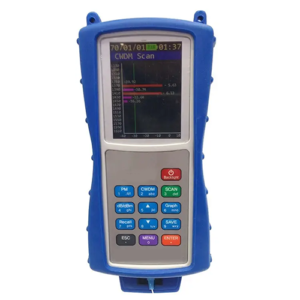
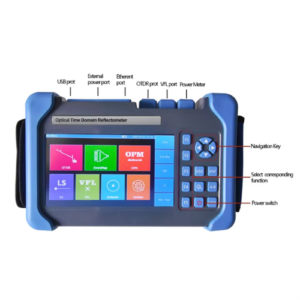
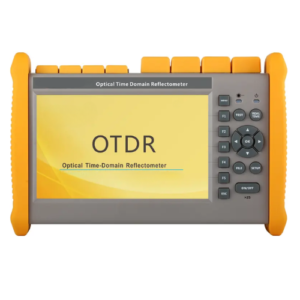
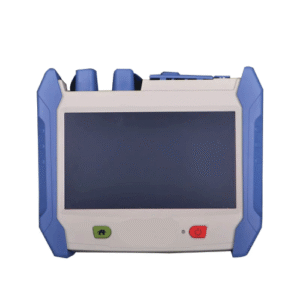
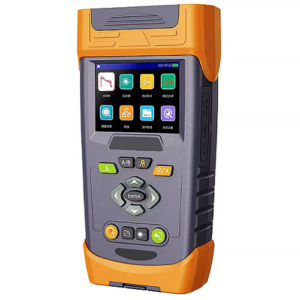
Optical Time-Domain Reflectometers (OTDR)
Instruments that map fiber optic links, detect faults, splices, and attenuation, and provide distance-based loss analysis. Essential for network validation and fault localization.
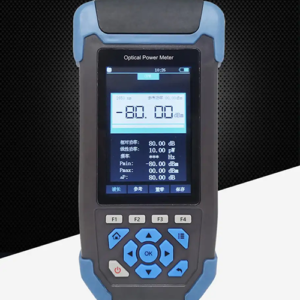
Optical Power Meters
Devices that measure optical signal strength in fiber networks. Critical for verifying link budget, network efficiency, and installation quality.
Visual Fault Locators (VFL)
Laser-based instruments that identify breaks, bends, and connector issues in fiber cabling. Provide rapid visual fault detection.
Optical Loss Test Sets (OLTS)
Comprehensive systems that measure insertion loss, return loss, and overall fiber link performance. Support certification of fiber installations.
Multi-Parameter Fiber Analyzers
Integrated platforms combining OTDR, power measurement, and continuity testing for full-spectrum fiber network evaluation.
Emissions and Stack provides instruments engineered for durability, field deployment, and high-accuracy measurement to ensure reliable fiber and network performance for industrial, enterprise, and telecommunications applications.
Performance Features for Optical Fiber Diagnostics
Fiber and network testing instruments deliver high-precision measurement across complex network topologies and variable environmental conditions. Advanced capabilities and configurable options enable flexible deployment in laboratories, data centers, and field installations.
Key functional features include:
- High-resolution OTDR for precise fault localization and splice characterization
- Wide wavelength support for single-mode and multi-mode fiber evaluation
- Temperature-compensated optical power measurement for accurate readings in varying conditions
- Real-time trace acquisition and analysis with graphical visualization
- Multi-parameter testing combining OTDR, power, and continuity metrics
- Configurable testing profiles for network certification and installation verification
- Portable and handheld form factors for field testing and maintenance
- Automated report generation and data logging for documentation and compliance
- Connectivity options including USB, Ethernet, and Wi-Fi for system integration
- Advanced triggering and alert functions for threshold breaches or signal anomalies
These capabilities allow engineers and network integrators to optimize fiber network deployment, troubleshoot performance issues, and validate link integrity efficiently.
Real-World Use Cases for Optical Network Evaluation
Fiber and network testing systems are used across industries to maintain network reliability, optimize performance, and ensure compliance. Applications include:
- Verifying optical fiber installation in telecommunications infrastructure for signal integrity
- Testing single-mode and multi-mode fibers in enterprise LAN and data center networks
- Conducting OTDR analysis to identify splices, breaks, and attenuation in fiber links
- Measuring optical power to validate network signal strength and link budget compliance
- Troubleshooting industrial control network fiber connections for minimal downtime
- Evaluating fiber optic cabling in smart grid and utility monitoring networks
- Performing certification tests on newly deployed fiber infrastructure for regulatory standards
- Inspecting data center fiber trunks for continuity and connector integrity
- Monitoring optical networks in transportation systems for safety-critical communications
- Validating performance of high-speed fiber links in 5G and broadband deployments
- Supporting preventive maintenance programs by detecting fiber degradation or microbends
- Conducting field testing for fiber optic installations in harsh industrial environments
- Documenting fiber link performance for internal quality assurance and regulatory audits
- Testing return loss and insertion loss of network fibers for telecom compliance
- Providing technical validation for mission-critical enterprise network installations
These applications demonstrate the importance of precise optical measurement for reliable fiber network deployment, maintenance, and certification.
Regulatory and Certification Frameworks for Optical Network Evaluation
- TIA/EIA-568 – Commercial Building Telecommunications Cabling Standards
- TIA/EIA-604 (FOCIS) – Fiber Optic Connector Intermateability Standards
- ANSI/TIA-568-C.3 – Optical Fiber Cabling Component Specifications
- ISO/IEC 11801 – Generic Cabling for Customer Premises
- IEEE 802.3 – Ethernet over Fiber Standards
- CSA C22.2 – Electrical and Safety Standards
- FCC Part 68 – Telecommunications Equipment Regulations
- NFPA 70 – National Electrical Code
- ITU-T G.652/G.657 – Single-mode Fiber Standards
- NECA/BICSI Fiber Optic Installation Guidelines
Technical Differentiators for Optical Network Deployment and Maintenance
Emissions and Stack fiber and network testing instruments provide industry-leading precision, reliability, and field usability. Key technical advantages include:
- High-resolution OTDR with extended dynamic range for accurate fault detection
- Multi-wavelength testing to support single-mode and multi-mode fiber networks
- Portable, ruggedized designs for field deployment in harsh environments
- Integrated power meters and continuity testers for complete link analysis
- Real-time trace visualization and automated reporting for efficiency and compliance
- Modular systems for combining OTDR, power, and insertion loss measurement
- Configurable alarms and threshold notifications to detect fiber degradation early
- Data logging with software integration for trend analysis and audit documentation
- Expert technical guidance for network planning, troubleshooting, and certification
- Proven reliability under continuous deployment in industrial, telecommunications, and enterprise networks
These engineering advantages ensure dependable fiber network performance, rapid fault localization, and accurate validation for high-capacity optical networks.
Unified Workflow for Fiber Network Performance Optimization
Fiber and network testing instruments complement OTDR and power meter systems by providing end-to-end evaluation of fiber link performance. Integration benefits include:
- Synchronization of OTDR and optical power measurement for full link characterization
- Automated reporting for installation certification and regulatory compliance
- Real-time alerts for signal degradation or fiber anomalies
- Modular deployment for both lab-based and field testing
- Seamless integration with network management systems and test documentation platforms
Integration ensures reliable, repeatable results for installation, troubleshooting, and ongoing maintenance of optical networks. Emissions and Stack systems are engineered for high-accuracy, efficiency, and usability in both enterprise and industrial fiber applications.
For detailed product inquiries, technical consultation, or support regarding emissions and stack testers and measurement solutions, reach out to Emissions and Stack through our Contact Us page. Our team of experts is ready to provide guidance tailored to your operational requirements, helping you maximize measurement accuracy and process efficiency.
Showing 1–12 of 165 results
-
Fiber Power & OTDR Meters
18-Channel Fiber Optical with Power Meter & Multi-wavelength – Emissions And Stack
Read more -
Fiber Power & OTDR Meters
7-Inch High-Resolution OTDR With PON And IP65 Protection – Emissions And Stack
Read more -
Fiber Power & OTDR Meters
Advanced Fiber Optic Power Meter 90dB Dynamic Range Color Display – Emissions And Stack
Read more -
Fiber Power & OTDR Meters
Advanced Fiber Optic Tester 5km Range Fast Fault Detection – Emissions And Stack
Read more -
Fiber Power & OTDR Meters
Advanced Fiber Optic Tester with Customizable Range & Multi-Wavelength – Emissions And Stack
Read more -
Fiber Power & OTDR Meters
Advanced Fiber Optical Testing Meter with 8 Hour Battery Life – Emissions And Stack
Read more -
Fiber Power & OTDR Meters
Advanced Optical Fiber Power Tester with Dynamic Range – Emissions And Stack
Read more -
Fiber Power & OTDR Meters
Advanced Optical Power Meter with 20dB Dynamic Range – Emissions And Stack
Read more -
Fiber Power & OTDR Meters
Advanced OTDR with Dual Wavelength and Built-in Features – Emissions And Stack
Read more -
Fiber Power & OTDR Meters
Advanced Single Mode Fiber Analyzer With High Accuracy – Emissions And Stack
Read more -
Fiber Power & OTDR Meters
Advanced Three-Phase Power Quality Analyzer with 4-Inch Display – Emissions And Stack
Read more -
Fiber Power & OTDR Meters
All in One Optical Fiber Power Meter with VFL and Cable Tester – Emissions And Stack
Read more