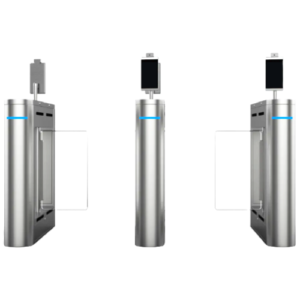
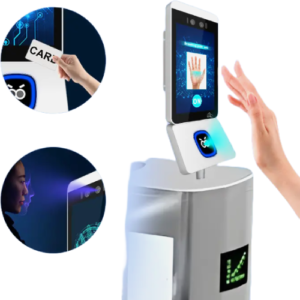
Biometric & Health Sensors
Overview of Industrial IoT & Sensors for Workforce Health and Environmental Exposure Monitoring
Industrial IoT & Sensors within biometric and health monitoring frameworks combine connected sensing devices, wearable instrumentation, and networked data acquisition platforms to capture physiological and exposure related parameters in industrial settings. These systems are engineered to monitor worker vital signs, environmental exposure levels, and occupational health indicators alongside stack testing and emissions measurement operations.
Advanced sensing networks integrate wearable biosensors, fixed environmental detectors, and edge computing gateways to deliver synchronized health and emissions related data. Real time acquisition of heart rate, blood oxygen saturation, respiratory rate, skin temperature, and gas exposure metrics enables safety teams to correlate worker condition with process emissions and confined space air quality.
Connected health monitoring infrastructure strengthens compliance, supports industrial hygiene programs, and enhances decision making in facilities operating complex air emissions and stack measurement systems.
Defining Networked Biometric and Health Sensing Systems for Emissions and Stack Operations
Industrial IoT & Sensors in biometric and health contexts refer to interconnected physiological monitoring devices and environmental exposure sensors designed for integration with industrial emissions testing and stack measurement environments. These systems combine wearable health sensors, stationary exposure monitors, and industrial communication infrastructure to ensure safe and compliant field operations.
Primary product types include:
Wearable Physiological Sensor Modules
Rugged wearable devices equipped with:
- Photoplethysmography sensors for heart rate and SpO2 measurement
- Skin temperature probes
- Accelerometers for activity and fall detection
- Respiratory rate estimation algorithms
These modules transmit encrypted data to on site gateways during stack testing campaigns and confined space entry operations.
Portable Gas Exposure Badges with IoT Connectivity
Compact personal gas detectors measuring:
- Carbon monoxide
- Hydrogen sulfide
- Oxygen deficiency
- Volatile organic compounds
Integrated wireless communication allows real time alerting and centralized logging during emissions sampling or maintenance activities near exhaust systems.
Fixed Biometric and Environmental Monitoring Stations
Wall mounted or mobile units combining:
- Ambient air quality sensors
- Heat stress monitoring instrumentation
- Noise exposure measurement
- Interface modules for wearable health devices
Stations aggregate data for correlation with stack test parameters and environmental compliance metrics.
Industrial Edge Health Data Gateways
Rugged gateways that:
- Collect physiological and exposure data from multiple personnel
- Perform local threshold analysis
- Integrate with plant environmental monitoring systems
- Store time synchronized records for audit and investigation purposes
Emissions and Stack configures these product types to operate within the same digital architecture supporting advanced emissions and stack testing solutions, ensuring unified data visibility across environmental and occupational domains.
Real Time Physiological and Exposure Correlation with Emissions Measurement
Industrial IoT & Sensors used in biometric and health applications provide capabilities beyond standalone safety devices. Their design supports integrated monitoring programs where worker health metrics and environmental emissions data are evaluated together.
Continuous Multi Parameter Monitoring
Systems enable simultaneous acquisition of:
- Heart rate variability and oxygen saturation
- Core or estimated body temperature
- Ambient gas concentration near breathing zone
- Relative humidity and thermal stress indicators
Sampling frequency and data retention intervals can be configured to align with stack testing durations and regulatory reporting cycles.
Threshold Based Alerts and Escalation Protocols
Embedded firmware supports:
- Configurable physiological alarm thresholds
- Gas exposure limit alerts based on OSHA permissible exposure limits
- Automated notification to supervisors via SMS or control room dashboards
- Event logging with precise timestamp synchronization
Alerting logic can be customized to reflect facility specific risk assessments.
Data Integration with Environmental Measurement Platforms
Biometric and exposure data streams can be linked with:
- Stack flow and gas concentration records
- Combustion efficiency data
- Confined space atmospheric measurements
Correlation analysis enables engineering teams to assess whether process changes or emission spikes coincide with worker stress or exposure events.
Secure Communication and Data Governance
Health data and exposure metrics are transmitted using:
- Encrypted wireless protocols
- Secure MQTT or OPC UA connections
- Role based access control for sensitive physiological information
Data retention policies can be configured to comply with corporate privacy guidelines and regulatory obligations.
Extensive field deployment experience has shown that reliable connectivity in steel structures, boiler houses, and elevated stack platforms requires careful antenna placement and network redundancy. Emissions and Stack addresses these considerations during system design and commissioning.
Practical Use Cases Across Regulated Facilities
Industrial IoT & Sensors support multiple occupational and environmental monitoring scenarios, including:
- Monitoring technician heart rate and oxygen saturation during elevated stack sampling in power generation facilities.
- Tracking personal gas exposure levels for refinery personnel performing emissions analyzer maintenance near flare systems.
- Heat stress assessment for crews conducting summer stack testing in high temperature boiler environments.
- Real time respiratory monitoring during confined space inspections of industrial exhaust ducts.
- Correlating worker fatigue indicators with extended emissions testing campaigns to manage operational risk.
- Continuous exposure logging for hazardous air pollutant monitoring projects subject to regulatory oversight.
- Supervising contractor safety during temporary installation of stack flow measurement instrumentation.
- Remote health and exposure monitoring at geographically isolated industrial sites using cellular telemetry.
- Integrated reporting of occupational exposure and emissions data for environmental health and safety audits.
- Incident investigation support through synchronized biometric and emissions event records.
Several of these applications directly support regulatory compliance and documented occupational safety programs within the United States and Canada.
Regulatory and Certification Frameworks Relevant to Emissions and Stack Integrated Health Monitoring
Applicable standards and regulations include:
- Occupational Safety and Health Act
- OSHA 29 CFR 1910 General Industry Standards
- OSHA Permissible Exposure Limits
- National Institute for Occupational Safety and Health Recommended Exposure Limits
- United States Environmental Protection Agency Clean Air Act
- 40 CFR Part 60 and Part 63
- Canadian Centre for Occupational Health and Safety guidelines
- Canada Labour Code Part II
- Canadian Environmental Protection Act
- CSA Standards for Industrial Control Equipment
- UL Certification for Industrial Electronic Equipment
- FCC Part 15 for wireless devices
System selection and deployment strategies should consider both environmental and occupational regulatory frameworks to ensure defensible data and acceptable instrumentation performance.
Integrated Occupational and Environmental Data Architecture
Traditional safety devices operate independently from emissions monitoring platforms. Emissions and Stack Industrial IoT & Sensors are designed to operate within a unified digital ecosystem that links:
- Physiological monitoring data
- Personal gas exposure measurements
- Stack gas concentration and flow metrics
- Ambient air quality records
This integrated architecture reduces data silos and simplifies compliance documentation.
Ruggedized Design for Industrial Emissions Environments
Biometric and health sensors deployed near stacks and exhaust systems must tolerate:
- Elevated ambient temperatures
- Electromagnetic interference from large motors and transformers
- Dust and particulate accumulation
- Mechanical vibration
Hardware enclosures and component selection reflect these environmental constraints, based on field experience in heavy industrial facilities.
Configurable Privacy and Data Segmentation Controls
Occupational health data requires careful governance. Systems support:
- Segmented data access for supervisors and compliance officers
- Configurable anonymization options where appropriate
- Detailed audit logs of data retrieval and configuration changes
These controls enable responsible handling of worker health information while maintaining operational transparency.
Deployment Methodology Backed by Practical Experience
Emissions and Stack has rapidly built a strong B2B presence across North America by delivering advanced emissions and stack testing and measurement solutions that align with real operational conditions. Through structured research, continuous product development, and strict quality assurance, we provide instrumentation that supports both environmental compliance and workforce protection objectives.
Project teams benefit from:
- Pre deployment risk assessment and site surveys
- Assistance with network design for complex industrial layouts
- Commissioning support and validation testing
- Ongoing technical guidance to optimize measurement reliability
Our approach focuses on measurable performance, defensible data, and long term system stability rather than short term installation metrics.
For detailed product inquiries, technical consultation, or support regarding emissions and stack testers and measurement solutions, reach out to Emissions and Stack through our Contact Us page. Our team of experts is ready to provide guidance tailored to your operational requirements, helping you maximize measurement accuracy and process efficiency.
Showing 1–12 of 23 results
-
Biometric & Health Sensors
7 Biometric Tablet with FAP10 Sensor and Android 11 OS – Emissions and Stack
Read more -
Biometric & Health Sensors
7 Face Thermometer with 8 Screen and 5000 Face Capacity – Emissions and Stack
Read more -
Biometric & Health Sensors
AI Face and Fingerprint Attendance System and Card Reader – Emissions and Stack
Read more -
Biometric & Health Sensors
AI Face Temperature Scanner with 8 Inch LCD and IR Vision – Emissions and Stack
Read more -
Biometric & Health Sensors
Android Tablet with 7 Inches Display FBI Fingerprint Sensor 4GB – Emissions and Stack
Read more -
Biometric & Health Sensors
Biometric Access Control with 300K Log Storage and Night Vision – Emissions and Stack
Read more -
Biometric & Health Sensors
Biometric Attendance System with 800 Face Capacity and USB Sync – Emissions and Stack
Read more -
Biometric & Health Sensors
Biometric Face Recognition Terminal with 8 Inch Display – Emissions and Stack
Read more -
Biometric & Health Sensors
Biometric Fingerprint and Face Recognition Attendance System – Emissions and Stack
Read more -
Biometric & Health Sensors
Biometric Fingerprint and Face Recognition Attendance System – Emissions and Stack
Read more -
Biometric & Health Sensors
Biometric Fingerprint Scanner with 500 DPI Resolution – Emissions and Stack
Read more -
Biometric & Health Sensors
Biometric Scanner with 2MP Camera and Thermal Imaging – Emissions and Stack
Read more