Gas & Chemical Sensors
Overview of Industrial IoT & Sensors for Advanced Emissions and Stack Testing Environments
Industrial IoT & Sensors integrate intelligent gas detection devices, chemical analyzers, embedded processors, and industrial communication interfaces into a unified monitoring architecture. Designed for harsh process conditions, these networked sensing platforms continuously measure gaseous compounds, hazardous vapors, and reactive chemical species within exhaust stacks, ducts, and process vents.
Smart sensor nodes, digital transmitters, and edge gateways work together to deliver high resolution concentration data, diagnostic alerts, and synchronized time stamped records. This connectivity enables engineering teams to validate air pollutant concentrations, verify combustion chemistry, detect process leaks, and maintain defensible environmental documentation.
Sensor networks supporting advanced emissions and stack testing programs transform standalone analyzers into scalable, data driven measurement ecosystems capable of supporting compliance, operational optimization, and long term environmental stewardship across industrial facilities.
Technical Framework of Industrial IoT & Sensors within Emissions and Stack Measurement Systems
Industrial IoT & Sensors within gas and chemical monitoring contexts refer to interconnected sensing devices and digital instrumentation platforms engineered to measure gaseous pollutants, volatile compounds, and chemical process emissions in real time. These solutions combine sensing elements, signal conditioning electronics, embedded firmware, and industrial networking protocols to support advanced exhaust gas testing and environmental verification programs.
Emissions and Stack structures these technologies into defined product groups aligned with practical stack and duct measurement requirements.
Networked Gas Analyzer Modules
Self contained gas detection units using technologies such as:
- Non dispersive infrared for CO, CO2, and selected hydrocarbons
- Chemiluminescence for NOx measurement
- Paramagnetic sensing for O2 concentration
- Flame ionization detection for total hydrocarbons
Each module incorporates digital outputs, self diagnostics, and remote calibration interfaces for integration into distributed sensing systems.
Smart Electrochemical and Solid State Sensor Nodes
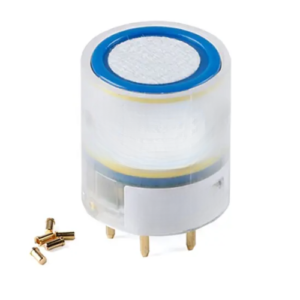
Compact sensing assemblies designed for localized detection of SO2, H2S, NH3, Cl2, and other reactive gases. These devices include onboard temperature compensation, drift correction algorithms, and communication capabilities for multi point chemical monitoring.
Industrial Wireless Gas Sensor Transmitters
Wireless enabled chemical detection devices deployed in remote stack platforms, secondary vents, or confined areas where cable routing is constrained. Communication may use secure industrial radio protocols or cellular telemetry depending on site infrastructure.
Edge Data Acquisition and Concentration Calculation Units
Rugged data concentrators that aggregate gas concentration signals, perform real time emission rate calculations using flow and temperature inputs, and forward validated datasets to supervisory control or environmental reporting systems.
Integrated Chemical Monitoring Panels
Panel mounted assemblies combining multiple gas sensors, flow inputs, alarm relays, and communication modules in a single enclosure suitable for permanent installation in industrial control rooms or analyzer shelters.
These product types form the digital backbone of emissions verification and stack gas characterization programs across North America.
Precision Sensing, Data Integrity, and System Configuration Flexibility
Industrial IoT & Sensors used in gas and chemical monitoring must perform reliably under temperature fluctuations, moisture exposure, vibration, and variable pollutant concentrations. Emissions and Stack configures these platforms with advanced features that address real industrial constraints.
High Accuracy Gas Concentration Measurement
Functional capabilities include:
- Automated baseline correction and span validation routines
- Temperature and pressure compensation algorithms
- Multi point calibration support aligned with reference gas standards
- Configurable sampling intervals for short term and long term reporting
Assumptions regarding measurement uncertainty are documented during project design, particularly where concentration ranges vary significantly during startup or load transitions.
Real Time Emission Rate Calculations
When integrated with stack flow, temperature, and pressure data, connected sensor networks calculate mass emission rates for pollutants. Edge processing units can compute:
- Pounds per hour or kilograms per hour emissions
- Corrected concentrations at reference oxygen levels
- Rolling averages aligned with regulatory reporting intervals
Local computation reduces dependency on external servers and preserves data continuity during communication interruptions.
Multi Protocol Industrial Connectivity
Industrial communication support includes:
- Modbus RTU and TCP
- OPC UA for integration with supervisory systems
- Ethernet based industrial networks
- Secure MQTT for remote telemetry
This flexibility allows system integrators to incorporate gas sensing nodes into existing distributed control architectures without extensive redesign.
Configurable Alarm and Safety Integration
Gas concentration thresholds can be configured for:
- Early warning alerts to operations personnel
- High level shutdown interlocks
- Escalation to centralized environmental management dashboards
Relay outputs and digital communication channels allow integration with plant safety systems where toxic or flammable gas detection is required.
Environmental and Hazardous Area Adaptability
Configuration options address installation conditions such as:
- NEMA rated enclosures for outdoor installations
- Heated sample conditioning systems for high moisture streams
- Explosion proof housings for classified hazardous locations
- Corrosion resistant probe materials for acidic exhaust environments
Engineering review of stack composition and temperature profiles informs material selection and mounting strategies.
Through disciplined research, structured product validation, and a strict quality assurance framework, Emissions and Stack has established itself as a trusted leader in delivering advanced emissions and stack testing and measurement solutions. Our expanding B2B presence across North America reflects a commitment to technology innovation, durable instrumentation, and customer focused technical support.
Practical Use Cases Across Emissions and Process Environments
Industrial IoT & Sensors support a broad range of gas and chemical measurement scenarios, including regulatory and operational objectives.
- Continuous monitoring of NOx and SO2 concentrations in utility boiler exhaust for air permit compliance reporting.
- Detection of volatile organic compounds in petrochemical vent streams during process optimization initiatives.
- Measurement of hydrogen sulfide levels in refinery stacks to verify sulfur recovery unit performance.
- Real time ammonia slip monitoring downstream of selective catalytic reduction systems.
- Multi gas monitoring in hazardous waste incinerator exhaust during performance testing campaigns.
- Combustion efficiency analysis through coordinated O2, CO, and CO2 measurement in industrial furnaces.
- Leak detection around storage tank vents using wireless gas sensing transmitters.
- Process upset identification in chemical reactors through abnormal exhaust gas composition patterns.
- Third party stack testing support using synchronized digital gas analyzers and edge logging units.
- Ambient boundary monitoring for community air quality verification near regulated facilities.
Field deployment experience shows that fluctuating load conditions, fuel variability, and maintenance cycles significantly influence gas concentration stability. Sensor network design must account for these operational realities.
Regulatory and Compliance Frameworks for Gas and Chemical Monitoring
- United States Environmental Protection Agency Clean Air Act
- 40 CFR Part 60 New Source Performance Standards
- 40 CFR Part 63 National Emission Standards for Hazardous Air Pollutants
- 40 CFR Part 75 Continuous Emission Monitoring
- United States Environmental Protection Agency Performance Specification 2, 3, and 4
- Environment and Climate Change Canada Multi Sector Air Pollutants Regulations
- Canadian Environmental Protection Act
- CSA C22.2 Industrial Control Equipment Standards
- UL Listed Industrial Control Panels
- FCC Part 15 Wireless Communication Compliance
System configuration and documentation practices must align with these frameworks to ensure data acceptance during inspections and audits.
Measurement Stability Under Dynamic Stack Conditions
Gas concentrations in industrial exhaust systems often fluctuate due to load changes, fuel switching, or process adjustments. Engineering differentiators include:
- Rapid sensor response times to capture transient emission spikes
- Digital filtering techniques to reduce noise without masking genuine excursions
- Redundant sensing options for critical pollutant parameters
- Automated sensor health diagnostics to detect drift or failure
These features enhance confidence in reported values and reduce the risk of undetected compliance deviations.
Scalable and Modular Sensor Network Architecture
Facilities can begin with targeted pollutant monitoring and expand to multi pollutant distributed sensing networks. Modular hardware design allows addition of new gas channels, communication interfaces, or remote telemetry modules without replacing existing infrastructure.
Standardized wiring interfaces and configurable firmware simplify phased upgrades and minimize downtime during expansion projects.
Data Traceability and Audit Support
Each gas measurement point can be associated with:
- Calibration records
- Firmware revision history
- Operator access logs
- Time synchronized measurement archives
Such traceability strengthens defensibility during regulatory reviews and third party validation assessments.
Integration with Broader Environmental Measurement Ecosystems
Industrial IoT & Sensors are engineered to interface with particulate monitors, opacity systems, and flow measurement devices to create unified emissions verification platforms. Coordinated datasets improve the accuracy of mass emission calculations and support comprehensive environmental performance analysis.
Emissions and Stack supports businesses through expert guidance, application engineering, and ongoing product development to help unlock the full potential of testing and measurement solutions. Our teams collaborate with engineers, environmental managers, and system integrators to ensure sensor placement, communication topology, and data validation logic reflect actual plant operating conditions.
For detailed product inquiries, technical consultation, or support regarding emissions and stack testers and measurement solutions, reach out to Emissions and Stack through our Contact Us page. Our team of experts is ready to provide guidance tailored to your operational requirements, helping you maximize measurement accuracy and process efficiency.
Showing 1–12 of 14 results
-
Gas & Chemical Sensors
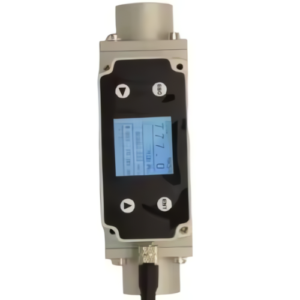
C3H6O3 HNO3 Mass Flow Sensor for Liquid and Cleaning Agents – Emissions and Stack
Read more -
Gas & Chemical Sensors
Electrochemical Gas Sensor for Toxic Gas Detection Module – Emissions and Stack
Read more -
Gas & Chemical Sensors
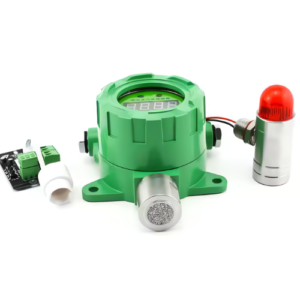
Explosion Proof Ethylene Methane Gas Detector with LCD Alarm – Emissions and Stack
Read more -
Gas & Chemical Sensors
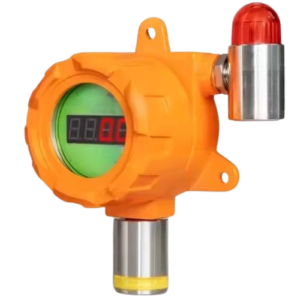
Fixed Digital Display Vehicle Emission Gas Analyzer with Alarm – Emissions and Stack
Read more -
Gas & Chemical Sensors
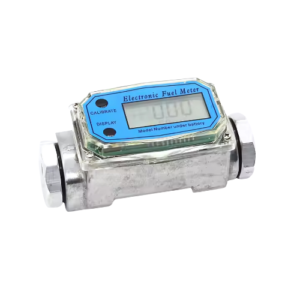
High Precision Electronic Fuel Oil Meter for Liquids – Emissions and Stack
Read more -
Gas & Chemical Sensors
Hydrogen Sulfide Gas Sensor H2S for Chemical and Plants – Emissions and Stack
Read more -
Gas & Chemical Sensors
Industrial Grade Electrochemical Carbon Monoxide – Emissions and Stack
Read more -
Gas & Chemical Sensors
Long Lifetime Fixed Oxygen O2 Sensor for Chemical Industry – Emissions and Stack
Read more -
Gas & Chemical Sensors
OEM Digital LPG Gas Flow Meter I2C RS485 Roots Flowmeter – Emissions and Stack
Read more -
Gas & Chemical Sensors
Portable CO Electrochemical Gas Detector with H2 Compensation – Emissions and Stack
Read more -
Gas & Chemical Sensors
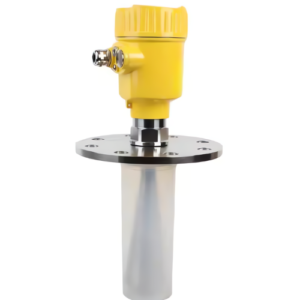
Radar Level Sensor for Chemical and Oil and Gas Industries – Emissions and Stack
Read more