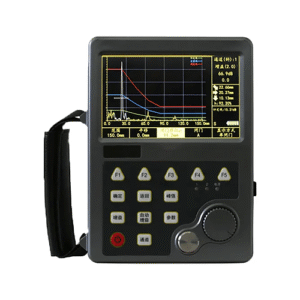
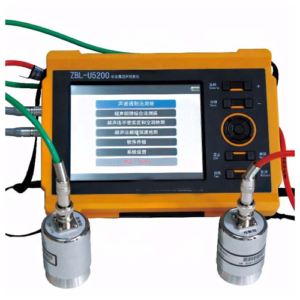
Hardness & Flaw Detectors
Ultrasonic, Eddy Current, and Hardness Testing Devices for Material Evaluation
Material and structural testing instruments are engineered to quantify mechanical properties, detect flaws, and assess structural integrity of metallic, polymeric, and composite components. Measurement techniques include ultrasonic thickness and flaw detection, eddy current conductivity and crack identification, and micro- or macro-hardness evaluation.
Ultrasonic Flaw Detectors
Ultrasonic devices use high-frequency sound waves to detect internal defects, voids, or delaminations in metals, plastics, and composites. Pulse-echo and through-transmission methods enable accurate mapping of internal structures.
Eddy Current Testing Equipment
Eddy current analyzers generate electromagnetic fields to detect surface cracks, corrosion, or conductivity variations. These non-contact instruments are suitable for fast inspection of conductive materials and layered structures.
Hardness Testing Systems
Microhardness and macrohardness testers evaluate resistance to indentation, providing insight into material strength, wear resistance, and heat treatment quality.
Integrated Data and Analysis Modules
Advanced systems combine flaw detection, hardness measurement, and structural evaluation with automated data logging, trend analysis, and reporting for engineering validation.
Emissions and Stack ensures these instruments deliver consistent, traceable results with high reliability across laboratory, plant-floor, and field inspection environments.
Flexible, High-Accuracy Platforms for Material and Structural Evaluation
Material and structural testing solutions offer modular configurations and advanced functional capabilities to meet diverse industrial requirements.
Ultrasonic Testing Features
- Configurable frequency, gain, and pulse duration for precise flaw detection
- Automated scanning probes for complex geometries
- Thickness measurement and corrosion monitoring capabilities
Eddy Current Testing Features
- Variable probe types for surface and subsurface defect detection
- Conductivity and coating thickness measurement
- High-speed, non-destructive testing of production lines
Hardness Testing Features
- Adjustable load and dwell time for micro- and macro-indentation
- Automated sample positioning and data capture
- Conversion tables for multiple hardness scales
Data Acquisition and Integration
- Real-time digital data logging and trend analysis
- Interface with SCADA, DCS, or laboratory information systems
- Remote diagnostics, predictive maintenance, and automated reporting
These configurable options enable precise evaluation, early defect detection, and reliable quality control for metals, composites, and structural assemblies.
Material and structural testing instruments provide critical insights for quality assurance, maintenance, and compliance:
- Ultrasonic inspection of welds, pipes, and pressure vessels to detect internal cracks and voids
- Eddy current analysis of aerospace components to identify surface corrosion or fatigue cracks
- Hardness evaluation of automotive parts for wear resistance and heat treatment verification
- Corrosion monitoring of industrial pipelines and chemical storage tanks
- Structural integrity assessment of composite materials used in renewable energy and aerospace
- Microhardness measurement for metallurgical and materials research laboratories
- Thickness and flaw detection of castings and forged components
- Inline inspection of conductive materials during manufacturing for quality assurance
- Non-destructive evaluation of coatings and layered structures for durability assessment
- Assessment of load-bearing structural elements in construction and heavy machinery
- Verification of heat-treated metal components in defense and energy sectors
- Predictive maintenance and fatigue analysis of rotating machinery components
- Validation of material compliance with mechanical standards and specifications
- Quality control of metal sheets, rods, and bars during production processes
- Inspection of pressure-critical vessels and pipelines for regulatory compliance
These applications demonstrate how integrated material and structural testing instruments improve reliability, support compliance, and optimize manufacturing and maintenance processes.
Material and structural testing systems comply with the following standards:
- ASTM E18, E10, E92, E384
- ASTM E114, E164, E213
- ASME Boiler and Pressure Vessel Code Section V
- API 1104 for pipeline welding and inspection
- NACE MR0175/ISO 15156 for corrosion-resistant materials
- CSA Group standards for pressure equipment and welding
- UL certification for industrial and laboratory instrumentation
- Canadian Standards Association (CSA) metal testing and mechanical compliance
- ISO 6507, 6508, 7438 hardness testing standards
Compliance with these standards ensures reliable testing, regulatory acceptance, and industry-wide consistency for material evaluation.
High-Accuracy, Non-Destructive, and Industrial-Grade Instruments
Emissions and Stack delivers material and structural testing instruments designed to combine laboratory precision with rugged industrial performance.
Superior Accuracy and Reliability
- Ultrasonic and eddy current sensors with high signal-to-noise ratio
- Low-drift electronics for long-term measurement stability
- Multi-scale hardness measurement with repeatable indentation results
Traceable Calibration and Documentation
- NIST-traceable calibration protocols and automated verification
- Audit-ready documentation supporting regulatory and quality compliance
Modular and Scalable Configurations
- Interchangeable probes and sensors for diverse materials and geometries
- Modular systems suitable for laboratory, manufacturing, or field inspections
Robust Industrial Design
- Chemical- and corrosion-resistant housings for harsh environments
- High-temperature and vibration-tolerant instrumentation for plant-floor use
Data Integration and Technical Support
- Compatibility with SCADA, DCS, and laboratory management systems
- Expert consultation for test planning, probe placement, and defect interpretation
- Remote diagnostics, predictive maintenance, and performance monitoring
These engineering differentiators enable precise material evaluation, early detection of defects, and reliable decision-making in critical industrial applications.
For detailed product inquiries, technical consultation, or support regarding emissions and stack testers and measurement solutions, reach out to Emissions and Stack through our Contact Us page. Our team of experts is ready to provide guidance tailored to your operational requirements, helping you maximize measurement accuracy and process efficiency.
Showing 49–60 of 510 results
-
Hardness & Flaw Detectors
Emissions and Stack Concrete Ultrasonic Flaw Detector Concrete Flaw Detector Tester
Read more